
2025年度のプログラム「STEP for SEED」に参加したファイトケミカルプロダクツ。東北大学発のディープテックとして、未利用資源を活かした原料製造やバイオ燃料事業に取り組む同社のCEO・加藤氏に、参加の経緯とシンガポールで得た学び、そして海外展開への展望を聞いた。
Phytochem Products took part in the 2025 program "STEP for SEED." A Tohoku University–born deep-tech company working on raw-material production and biofuel from unused resources, we asked its CEO, Kato, about what led them to join, the lessons learned in Singapore, and the outlook for going overseas.
— 昨年参加されてから、現在はどういった事業フェーズになるのでしょうか。今は国内での動きが活発だそうですね。
— Since joining last year, what phase is your business in now? We hear things are active domestically.
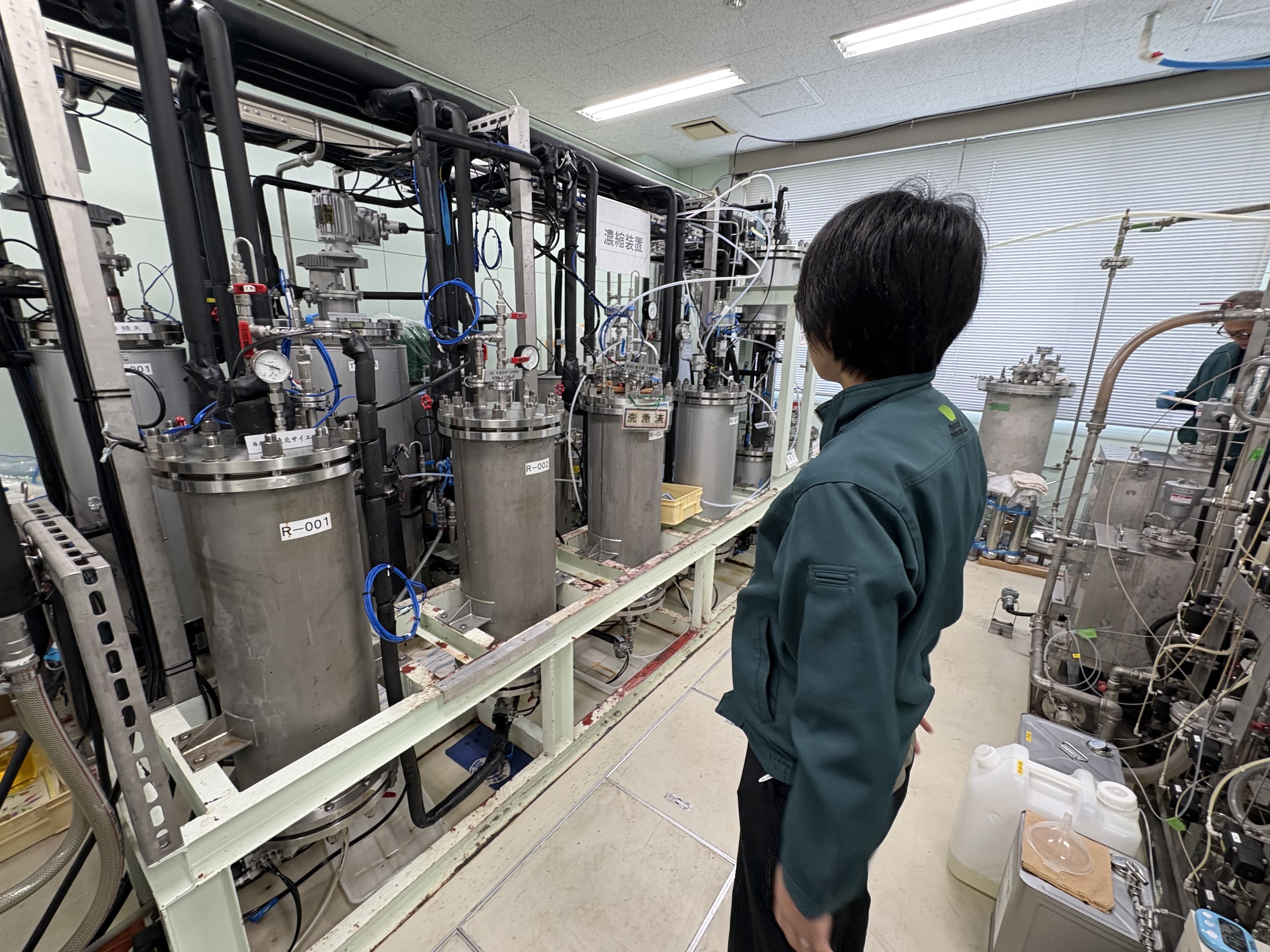
はい、今年は国内を動かすフェーズです。大きく二つあって、一つは原料の販売。パイロットスケールの実証設備が動き始めたところで、販路の拡大を進めています。もう一つは国内のバイオ燃料事業で、国内の航空会社に一年間、地方空港でバイオ燃料を提供する取り組みが始まりました。将来のお客様にもなり得る企業と、事業として一緒に取り組めないか動いているところです。
Yes, this year is a phase of moving things at home. There are two big streams. One is selling raw materials—our pilot-scale demonstration facility has just started running, and we're expanding sales channels. The other is a domestic biofuel business: we've begun supplying biofuel at a regional airport to a domestic airline for one year. We're working to see whether we can take this on together, as a business, with companies that could also become future customers.
チームは常勤・非常勤あわせて15人弱で、研究者の先生方も加わっています。そろそろ、しっかりと上向きの曲線を描かないといけないタイミングだと感じています。
Our team is just under 15 people, full-time and part-time combined, including our researchers. I feel we're at the point where we need to start drawing a solid upward curve.
— STEP事業に参加された経緯と、東南アジアへの思いを教えてください。
— How did you come to join STEP, and what are your thoughts on Southeast Asia?
東南アジアが自社事業の一つの軸になるという認識は、以前から社内で共有していて、会社としても少しずつ動くべきタイミングだったんです。仙台市から海外展開の支援事業があると声をかけていただき、場所的にもマッチすると考えて応募しました。
We'd long shared internally the recognition that Southeast Asia would be one axis of our business, and it was time for the company to start moving, step by step. Sendai City reached out about an overseas-expansion support program, and since it fit geographically, we applied.
明確に「これを達成する」という目的というより、まずは情報収集をしたい段階でした。自分たちが持っている限られた情報を、一気に広げられる可能性がある。そこに参加の意義を感じました。
Rather than a clear "achieve this" objective, we were at a stage of wanting to gather information first. There was a chance to expand our limited information all at once—that's where I saw the value of taking part.
— シンガポールに実際に行ってみて、いかがでしたか。
— How was it, actually going to Singapore?
行ってよかったと強く思います。東南アジアのなかでのシンガポールの立ち位置がよく理解でき、これからターゲットにしていく現地メーカーの状況や情報も仕入れられました。商談まで一足飛びに進んだわけではありませんが、最初の情報収集としては十分な成果だったと感じています。
I strongly feel it was worth going. I gained a good understanding of Singapore's position within Southeast Asia, and could gather information on the local manufacturers we'll target going forward. We didn't leap straight to deals, but as a first round of information-gathering, I feel it was a solid result.
— 渡航の前後で、内面的な変化はありましたか。言語のハードルは感じられましたか?
— Did anything change internally before and after the trip? Did you feel a language barrier?
「人間同士、コミュニケーションはなんとか取れる」と実感しました。怖じ気づかず、とりあえず行ってみればなんとかなる、というマインドセットに変わりました。英語はまだ課題ですが、専門用語は通じるとわかったのは収穫でした。細部までは分からなくても、中身(技術や事業)が伴っていれば、議論はしっかり成立するんだと感じました。
I realized that "person to person, you can somehow communicate." My mindset shifted to: don't be intimidated—just go, and you'll manage. English is still a challenge, but learning that technical terms get through was a real gain. Even if you don't catch every detail, as long as there's substance—technology and business—the discussion holds up.
また、日本と海外とで、伝え方の違いも感じたのは貴重な経験でした。例えば国内では「未利用資源」「廃棄物」という呼び方をすることがありますが、相手のメーカーからすると「未利用でも廃棄物でもない」という受け止めになります。相手の立場に立った言い方を考えないといけない、というのは反省点でした。
It was also a valuable experience to feel the difference in how you communicate at home versus abroad. In Japan, for instance, we sometimes call our feedstock "unused resources" or "waste," but to the manufacturers who produce it, it's "neither unused nor waste." Needing to choose wording from the other party's perspective was a point of reflection.
— 海外展開の展望を聞かせてください。
— Tell us your outlook for overseas expansion.
技術に強い関心を持ってくださっているパートナー企業がいるので、まずはそこを足がかりにしたいと考えています。ただ障壁も多く、どこから取り組むべきか、社内外で相談しているところです。いきなり大型のプラントとなると、相手側の社内の説得も、こちらのプロジェクト体制づくりも簡単ではありません。国内に比べて難易度は高いですが、課題は少しずつ見えてきています。いまは資本業務提携先のサポートも得ながら、周囲を巻き込んで動いています。
There's a partner company with strong interest in our technology, so we want to use that as our first foothold. That said, there are many hurdles, and we're consulting inside and outside the company about where to start. Jumping straight to a large plant isn't simple—neither persuading the other side internally nor building our own project structure. It's harder than doing it domestically, but the challenges are gradually becoming visible. Right now, with support from a capital and business alliance partner, we're moving forward by bringing others on board.
— これから海外に挑戦する方へ、メッセージをお願いします。
— Finally, do you have a message for startups about to take on the challenge?
自社事業に東南アジアの可能性が明確に見えている人は、もちろん行ってみるべきだと思います。でも、まだ見えていない人にとっても、可能性や事業の種を「探しに行く」こと自体に価値があるのではないでしょうか。いまや、日本だけの市場でスタートアップをやることはほぼないと思います。海外を見る最初のターゲットとして、シンガポール・東南アジアはとても有望です。可能性がある人もない人も、行ってみるチャンスがあるプログラムだと思います。
If you can already clearly see Southeast Asia's potential for your business, you should of course go. But even for those who don't see it yet, there's value in the very act of "going to explore" the possibilities and seeds of business. These days, running a startup for the Japanese market alone is almost unheard of. As a first target for looking overseas, Singapore and Southeast Asia are very promising. Whether or not you see potential, this is a program that gives you the chance to go and find out.