
2025年度のプログラム「STEP for SEED」に参加したNanoFrontier株式会社。東北大学発のナノ粒子化技術で、次世代蓄電池やデータセンター冷却、水処理など環境・エネルギー領域の課題解決に挑む同社は、創業直後という早い段階でシンガポールへ渡航した。売上と研究開発が立ち上がり、東南アジアへの展開を本格化させるいま、CEOの井上誠也氏に、参加のきっかけと現地で得たもの、そしてグローバルへの想いを聞いた。
NanoFrontier Inc. took part in the 2025 program "STEP for SEED." Using nanoparticle technology from Tohoku University, the company tackles challenges in the environment and energy fields—next-generation batteries, data-center cooling, water treatment—and traveled to Singapore at a very early stage, just after founding. Now, with revenue and R&D taking off and its push into Southeast Asia accelerating, we asked CEO Seiya Inoue about what led them to join, what they gained on the ground, and his thoughts on going global.
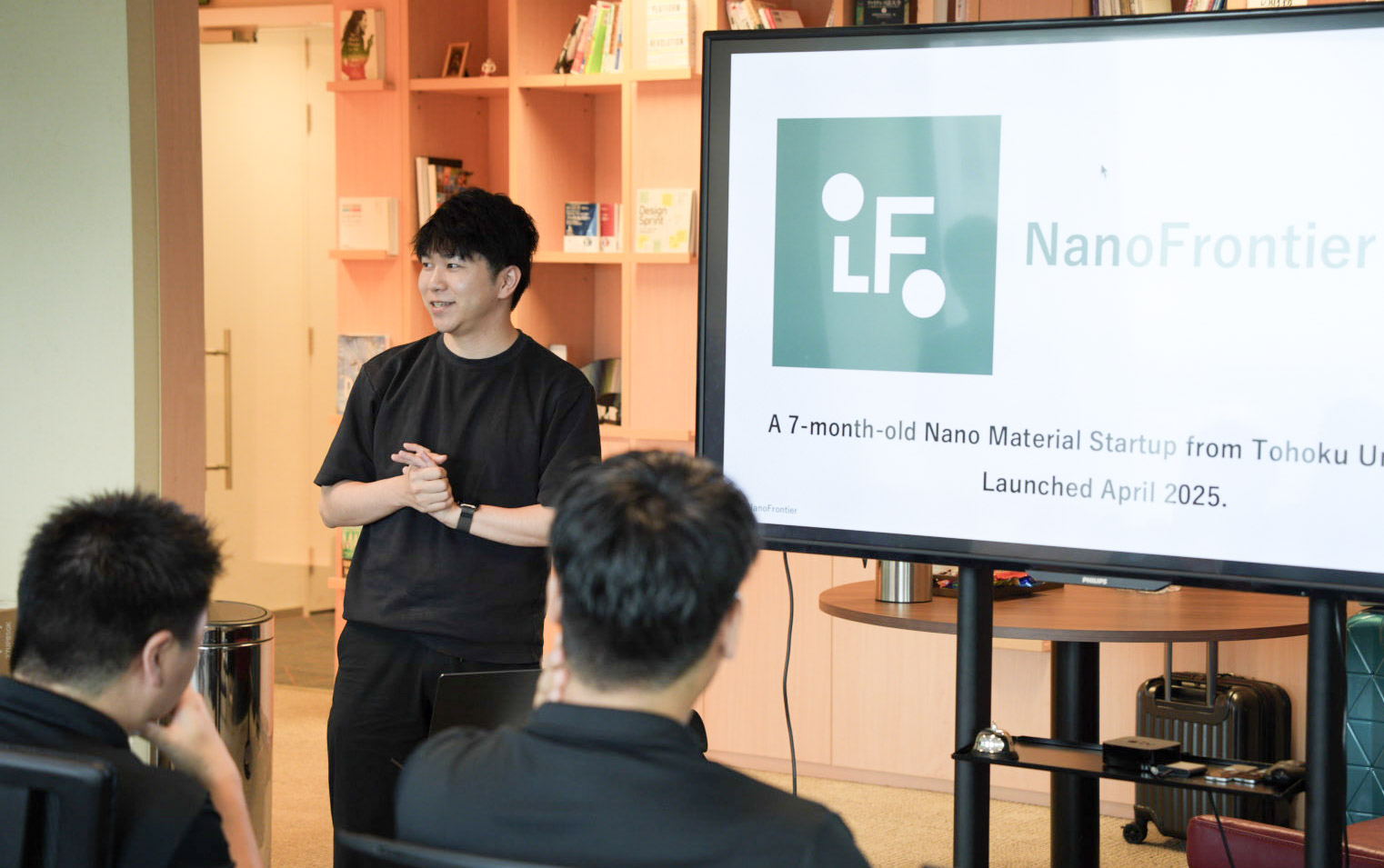
— まず、直近の近況から伺えればと思います。報告会以降、研究開発や海外展開ではどのような動きがありましたか。
— First, could you share your recent progress? Since the report session, what has been happening in R&D and overseas expansion?
おかげさまで、前向きな動きがいくつも続いています。研究開発ではAIを活用して新しいテーマ出しや実験手順の設計を効率化し、仙台に残って挑戦したい理系人材を迎えられているのも、私たちらしい取り組みです。
Thankfully, we've had a series of positive developments. In R&D, we use AI to streamline the generation of new themes and the design of experimental procedures. Welcoming science and engineering talent who want to stay in Sendai and take on challenges is also very much part of who we are.
国の機関からは、AIで製造業の高度化に取り組む企業として表彰もいただきました。製造とAI開発の両方を自社で手がける点を評価いただけたのは、大きな自信になっています。
We also received an award from a national agency as a company advancing manufacturing with AI. Being recognized for handling both manufacturing and AI development in-house has given us real confidence.
海外展開では、公的な支援も活用しながら、新興国・復興市場に向けて現地企業とつながる体制づくりを進めています。
For overseas expansion, we're building connections with local companies in emerging and recovery markets, while also making use of public support.
— その海外展開を見据える出発点のひとつが、昨年のプログラムでした。STEP for SEED 2025に参加されたきっかけを教えてください。
— One starting point for that overseas push was last year's program. What led you to join STEP for SEED 2025?
海外プログラムはまとまった時間を使うので、本当にリソースを割く価値があるかは真剣に考えます。その点、5日間は程よい期間で、しっかり詰め込めばやれることがあると感じました。
Overseas programs take a solid block of time, so we think hard about whether they're really worth the resources. On that point, five days felt like just the right length—pack it well and there's a lot you can do.
正直なところ、シンガポールという地をよく知らなかったので「行ってみてどうなるか」という好奇心が半分、そして海外展開を意識するきっかけになればという思いでした。実際、現地で紹介いただいた企業とは今もやり取りが続いていて、ビジネスにつながる可能性を感じています。
Honestly, I didn't know Singapore well, so half of it was curiosity—"let's see what happens if we go"—and half was hoping it would spark a real awareness of overseas expansion. In fact, we're still in touch with a company we were introduced to there, and I sense real potential for business.
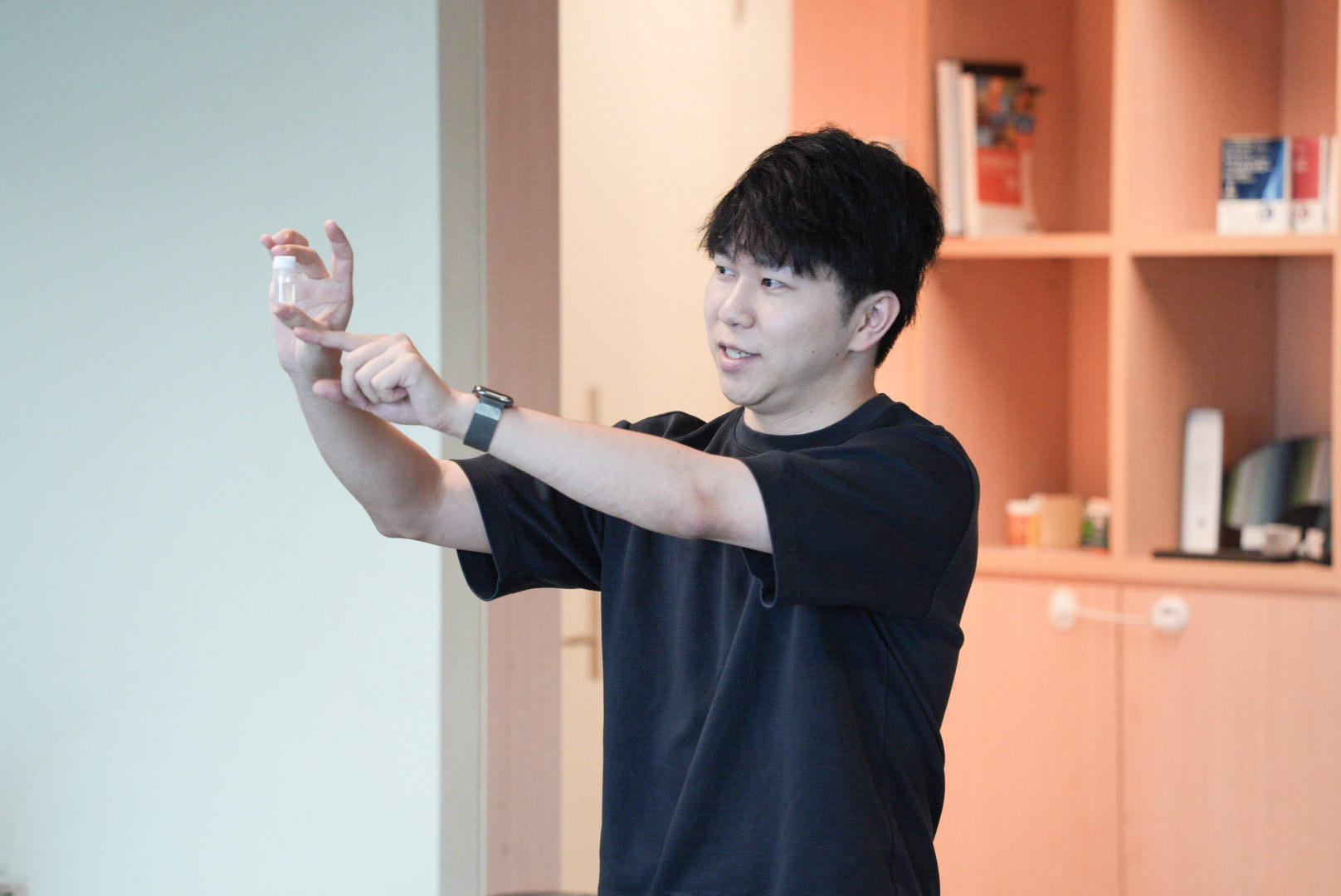
— シンガポール現地でのプログラムを経て、実際に得られた成果はありましたか?
— After the on-the-ground program in Singapore, were there concrete results?
私たちは今、データセンター向けの冷却液を企業と共同で開発していて、性能が向上したという結果も出ています。これをシンガポールにも展開していきたい。前回は研究開発を本格化する前で仮説ベースの話しかできませんでしたが、この半年でラボのデータが取れるようになり、いまは「データありき」で話せるようになっています。
初めての訪問なので一つのきっかけに過ぎませんが、帰国後もオンラインで継続的に人をつないでいただき、広がりが生まれたのは大きかったです。
We're currently co-developing a data-center cooling fluid with a partner company, and we've seen results showing improved performance. We want to bring this to Singapore too. Last time, before our R&D was in full swing, we could only talk on a hypothetical basis—but over the past six months we've been able to gather lab data, and now we can speak "data-first."
As a first visit it's just one starting point, but after returning, they kept connecting us with people online, and the way it expanded from there was significant.
— いま注目している国や地域はありますか?
— Are there countries or regions you're focusing on now?
東南アジアに強く注目しています。ベトナムは蓄電池のニーズが必ずあるはずで、現地のスタートアップ加速プログラムにも採択いただきました。先端技術には日本企業の方が予算を出しやすい面もありますが、データが揃ってきた今はむしろ、これから関心を持ってもらいやすいフェーズです。公的な補助も得ながら、巻き込めるレイヤーを一段、二段と上げていきたいと考えています。
We're focusing hard on Southeast Asia. Vietnam is bound to have demand for storage batteries, and we've been selected for a startup accelerator program there. Japanese companies can find it easier to fund cutting-edge technology, but now that our data is coming together, we're actually at a point where it's easier to get others interested. With public support behind us, we want to keep bringing bigger players on board, a level or two up.
— 参加を検討しているスタートアップが、どんな形でプログラムを活用したらいいか、アドバイスがあればいただけますか。
— Any advice on how startups considering the program should make use of it?
ポイントは「継続的にコンタクトができる相手を見つけること」、そして期待値を上げすぎないことです。一度行ったからといってすぐに成果が出るわけではありません。「データが取れたら紹介させてください」と言える連絡先をもらえれば、十分に合格点だと思います。早い段階の会社に分厚いデータがなくて当然なので、受け入れ側にも過度な期待をさせず、きっかけを一つ持ち帰るくらいの気持ちで良いのではとも思っています。
The key is to find people you can stay in touch with over time, and not to set your expectations too high. One trip won't produce results overnight. If you come away with contacts you can tell, "Let me reach out again once we have the data," that alone is a real win. Early-stage companies naturally don't have a wealth of data yet, so it's fine not to over-promise—go in simply aiming to bring back one good lead.
それでも、グローバルへの意識は早いほどいい。早く動くほど、海外を前提にした資本政策や事業戦略を描けるようになります。対面で現地の熱量を肌で感じることは、その後のオンラインのやり取りが格段にしやすくなりますし。ネットワークは複利だと思っていて、一人でもつながりができれば、そこから大きく育っていく。海外展開はこれから、という方にとって、STEP for ENTRYは絶好の機会だと思います。
Even so, the earlier you build a global mindset, the better. The sooner you move, the sooner you can design capital and business strategies that assume overseas markets. Feeling the local energy in person makes subsequent online communication far easier, too. I think of networks as compounding—once you have even one connection, it can grow from there. For those whose overseas expansion is still ahead of them, STEP for ENTRY is a great opportunity.